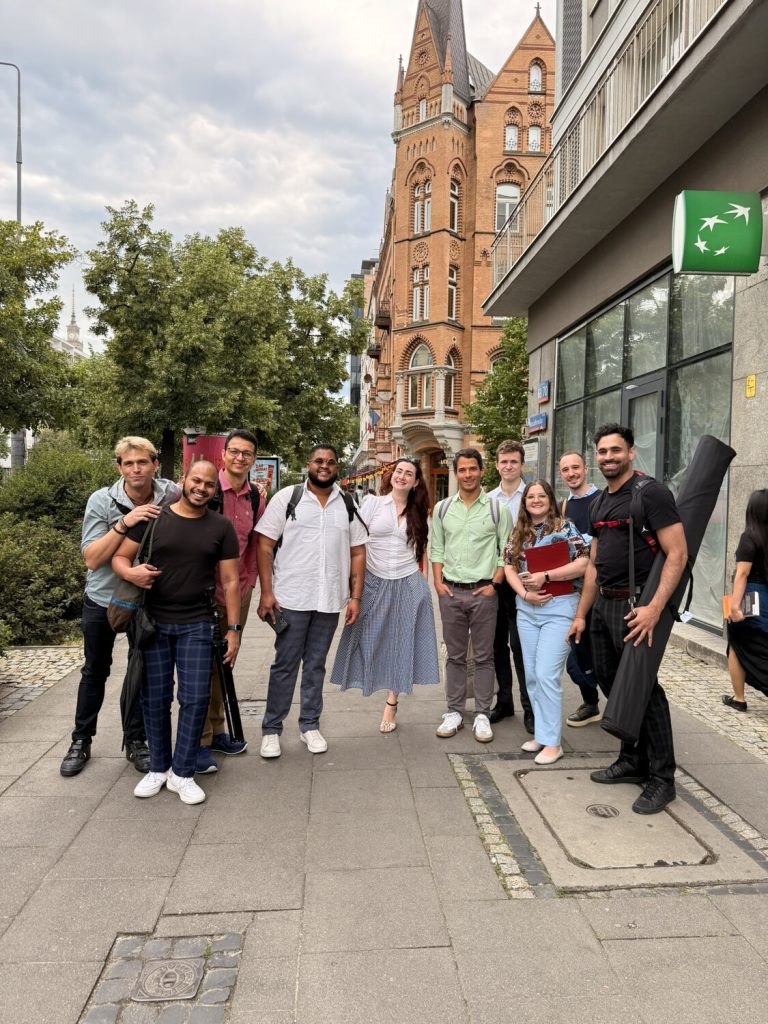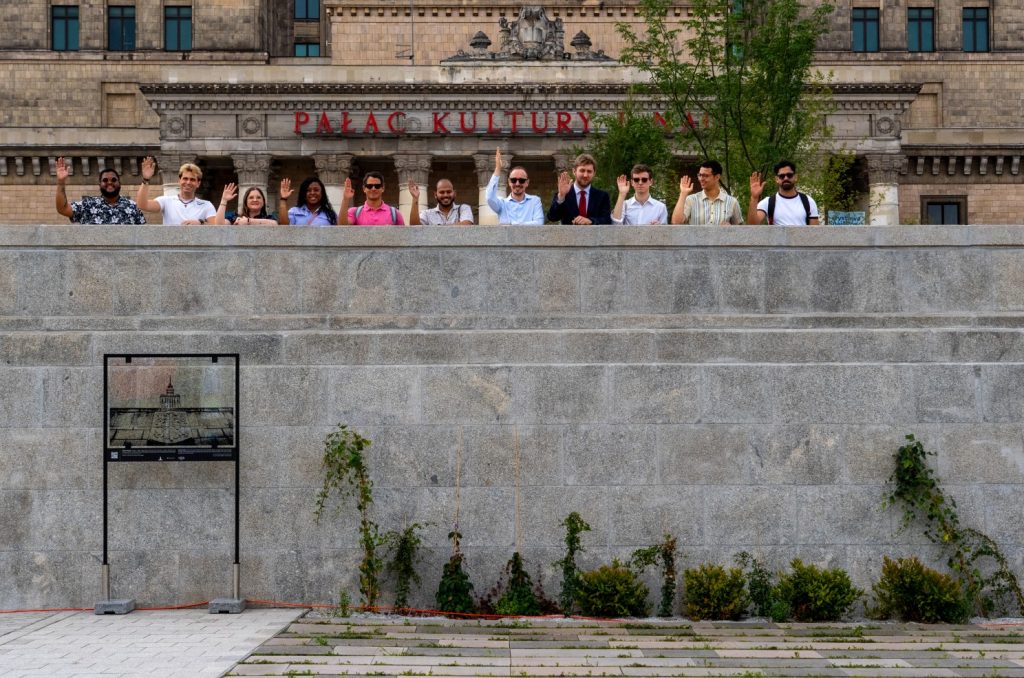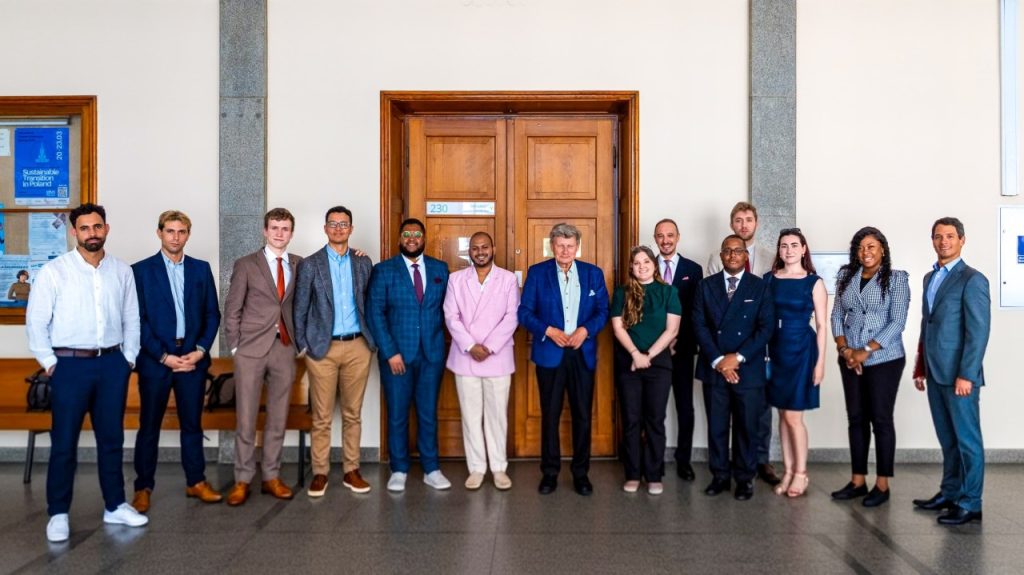
There are experiences you never forget, ones that leave a mark and help you grow. The 89 School was one of those.
History is not only studied, it’s walked, touched, breathed… ultimately, it’s felt. And when you do this alongside brilliant, generous, and inspiring people, something inside you shifts.
I was one of 11 participants selected for the first edition of The 89 School, where I had the fortune to be surrounded by extraordinary individuals like Paola Serracchiani , Bianca Chiarbonello Morales , Sebastian Naranjo Rodriguez , Lorenzo Gonzalez , Khaleem A. , Lawrence J. Arjoon , Seán O’Neill McPartlin , Sam Enright , and Gabrielle Bridgewater.
The 89 School is a summer program held in Poland that took us to cities like Warsaw and Gdańsk, with the goal of understanding, from within, the country’s political and economic transition, from a communist regime to a liberal democracy and a free-market economy. A true success story.
For one week, we immersed ourselves in the country’s recent history, a history shaped by courage, effort, and a deep embrace of the ideas of liberty.
Every part of the program was carefully designed to make us think, feel, and learn through lived experience.
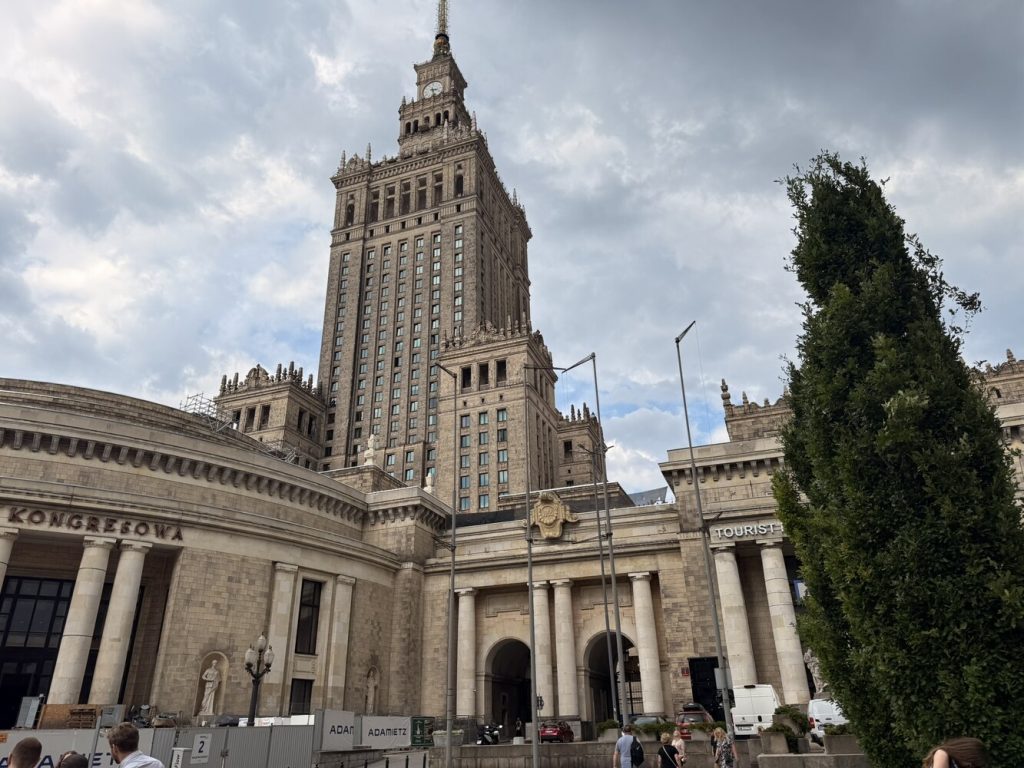
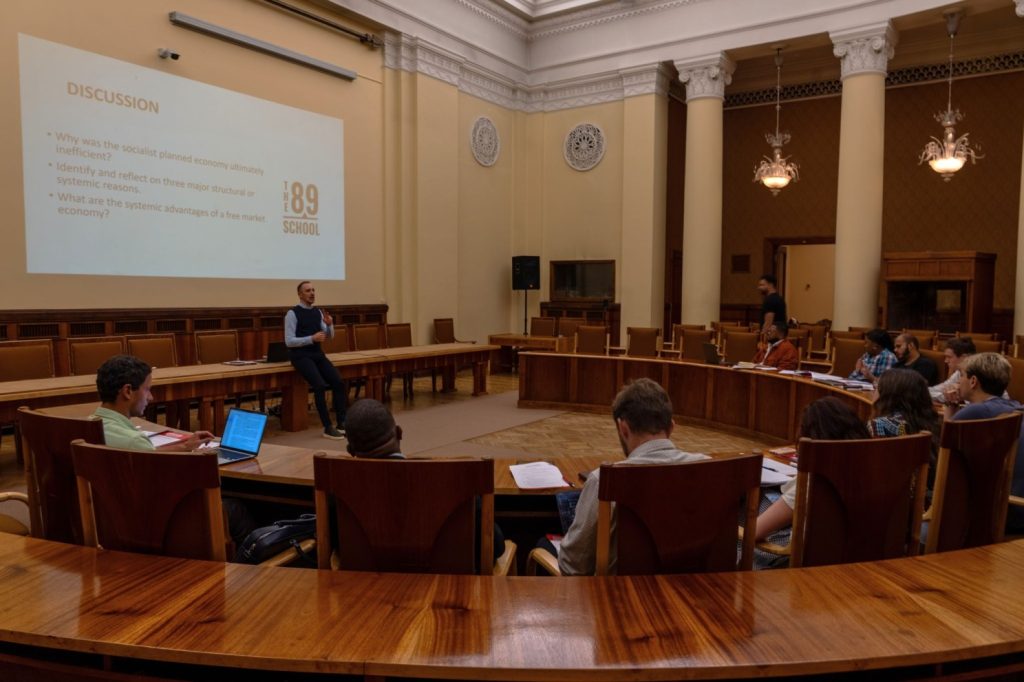
We began at the Palace of Culture and Science, a monumental symbol of the Soviet era, where we held several sessions in the Rudnev Room, named after its architect, Lev Rudnev, who designed the building as a representation of communist power. Only once you walk through the palace, learn its story, and feel its atmosphere, can you truly understand the controversies that have surrounded it in recent years.
While we were still processing the symbolic weight of the palace, we boarded a retro-era bus and toured Warsaw, passing by the former Communist Party headquarters, discovering the contrasts between Poland then and now.
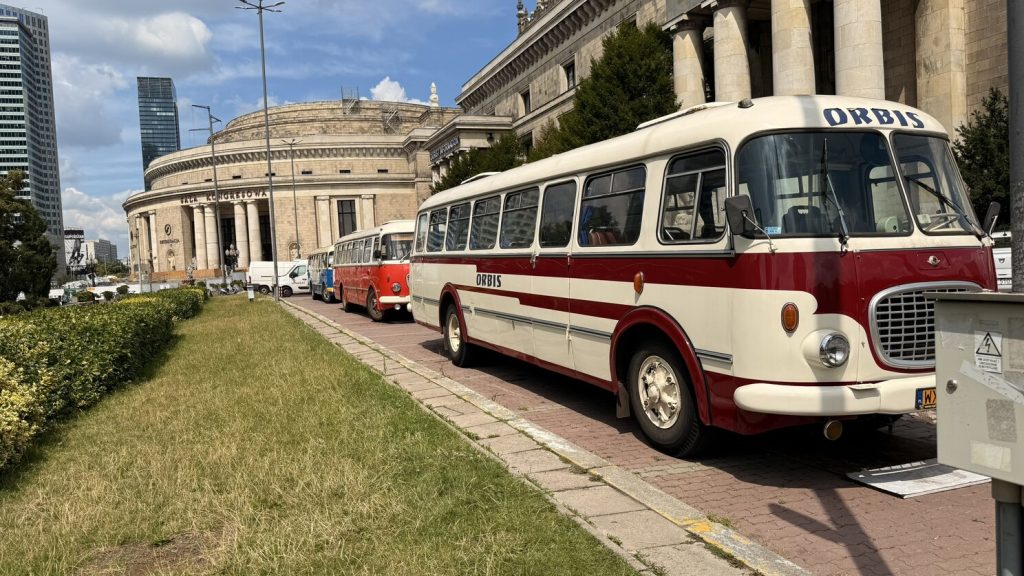
Every stop felt like brushing up against history, revealing stories that helped us understand, in a difficult-to-express way, the «why» behind the country’s evolution. One powerful example was the Liberty Corner area, where the National Atomic Energy Agency now stands. Under communist rule, this very site once housed the Office of Censorship. Today, it’s a vibrant nightlife district, full of laughter, music, and freedom. The irony is impossible to ignore, what once symbolized repression now pulses with liberty.
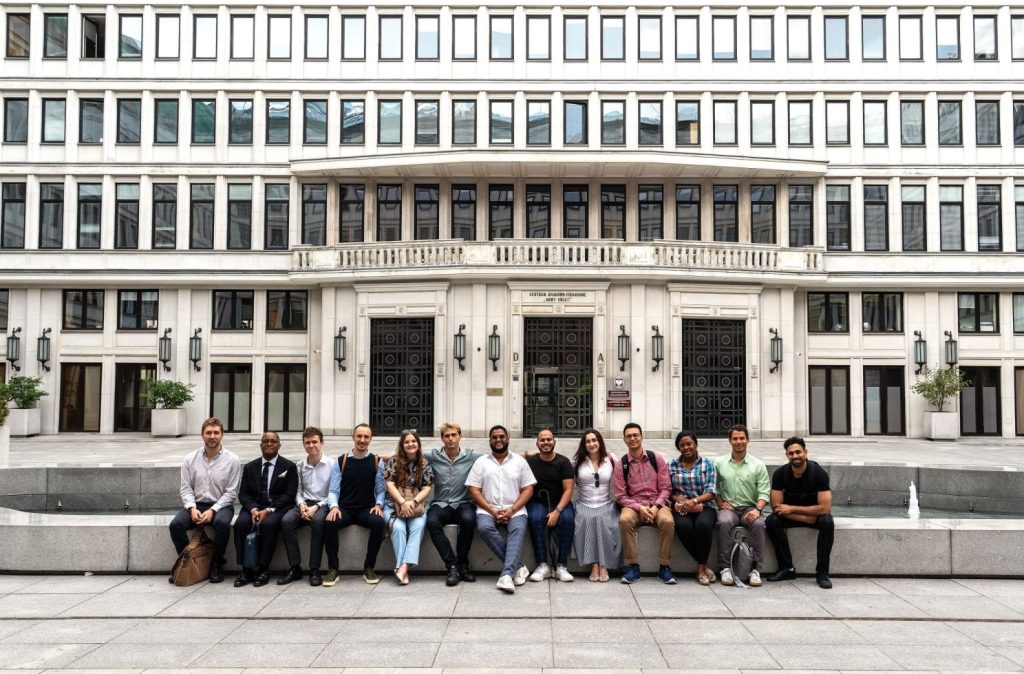
We also visited key institutions like the Polish Parliament (Sejm) and the Chancellery of the Prime Minister, where the weight of real political transition became tangible. I still remember the chill I felt seeing the remains of the original staircase preserved under glass. These seemingly small details held powerful stories that touched our soul.
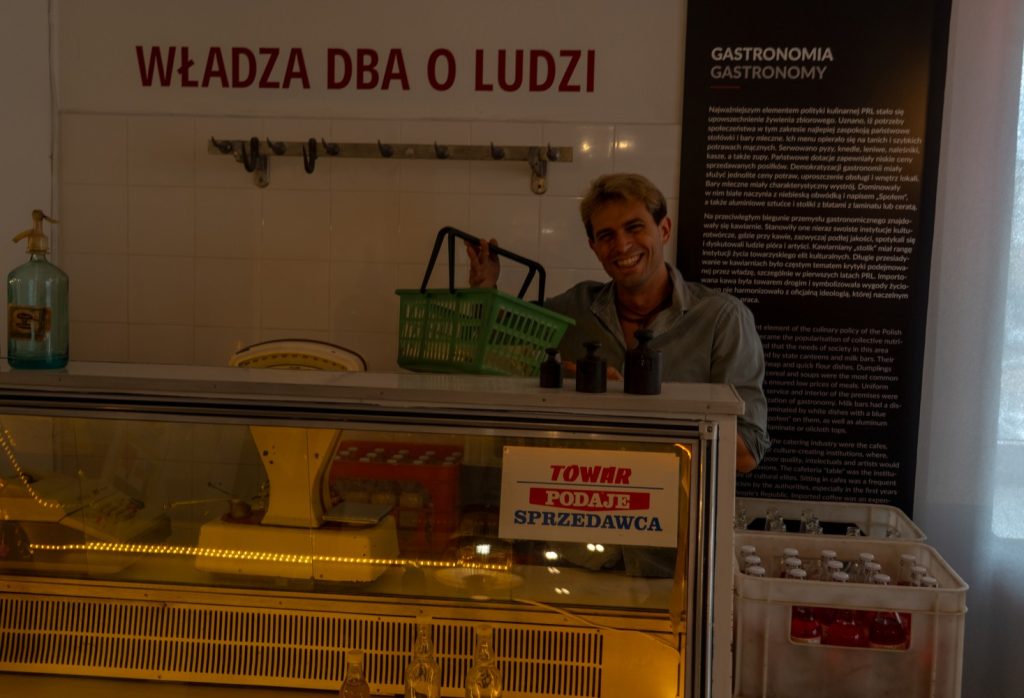
We explored the Museum of Life Under Communism, where everyday objects bear witness to oppression. Even seeing the ration coupons on display took us back in time, offering a glimpse into the chaos and fear that totalitarian ideas like communism imposed on people’s daily lives.
And we traveled to Gdańsk, to the European Solidarity Centre, a moving and vibrant museum that documents the birth and rise of the Solidarność movement, the force that challenged and ultimately brought down the communist regime. The museum stands inside the Gdańsk Shipyard, the very place where it all began. Once again, I have to thank the 89 School team for the thoughtful and immersive design of the experience. After learning about the years leading up to that moment, you can truly feel the wave of change that the movement unleashed.
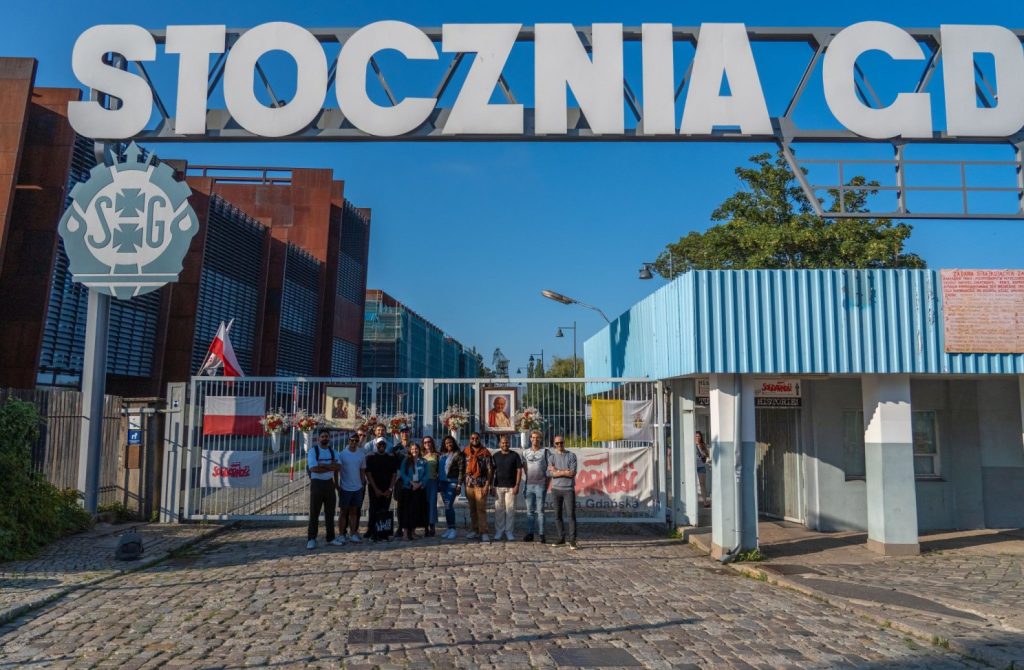
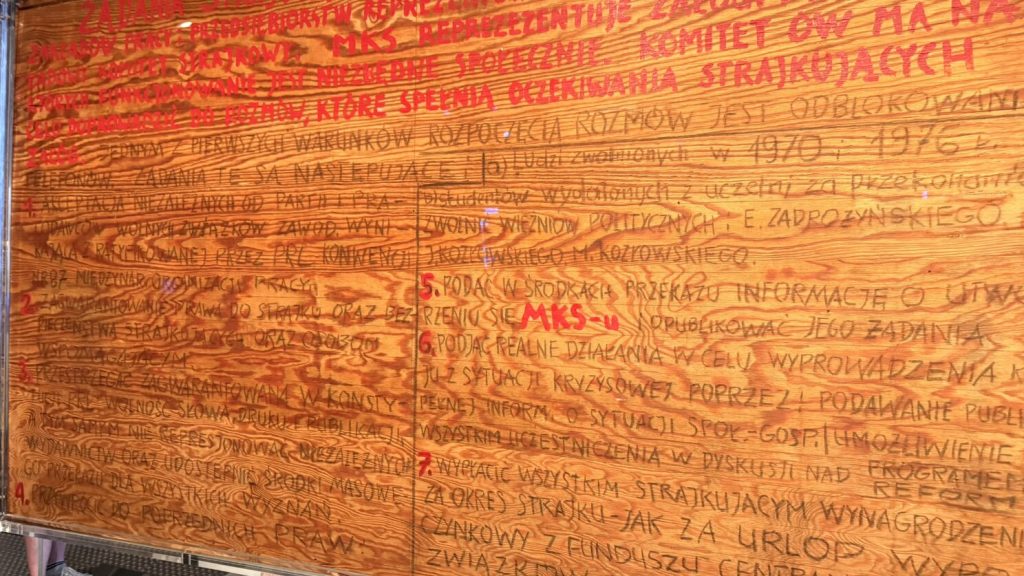
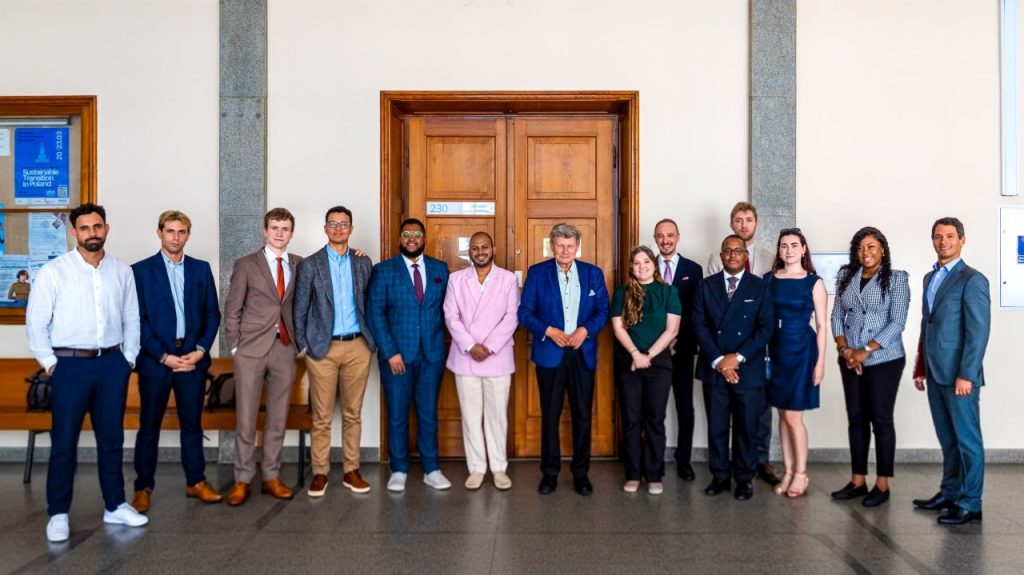
We also had the opportunity to meet key intellectual and political figures who shaped and lived through this transition.
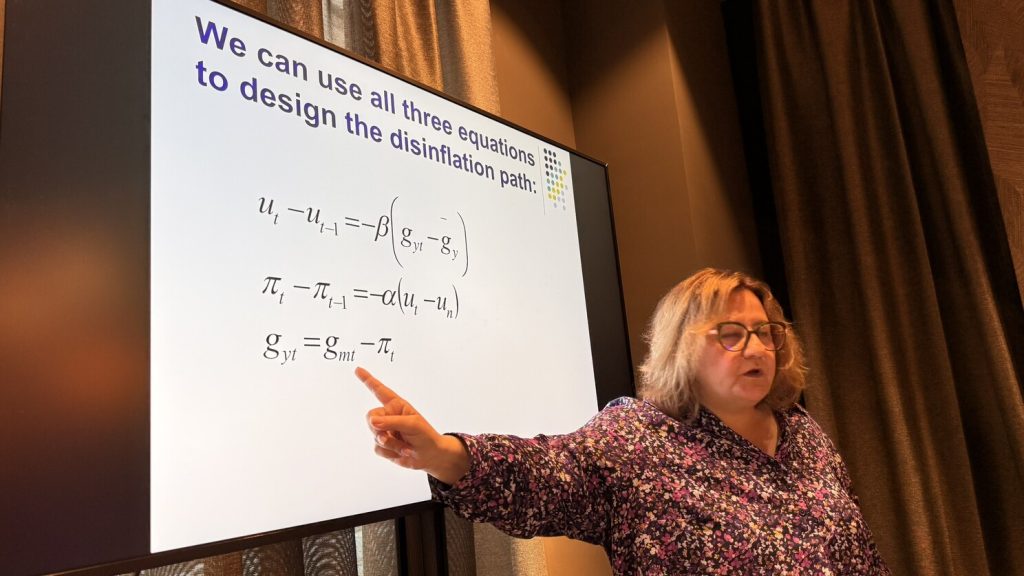
We took part in a workshop led by Professor Bogna Gawrońska-Nowak , who helped us step into the shoes of Professor Leszek Balcerowicz and understand the weight of the decisions he made.
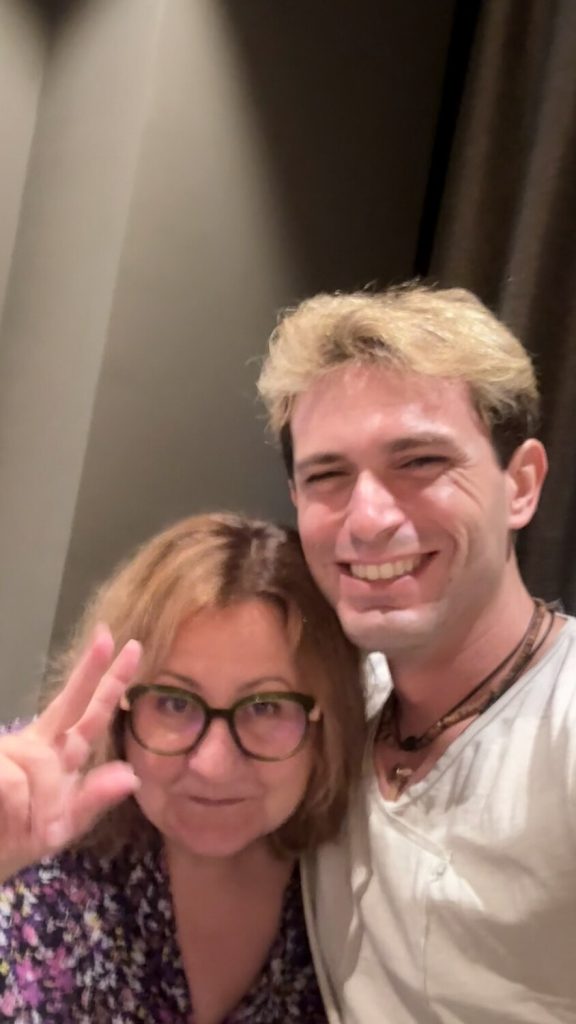
The next day, we had the chance to meet Leszek Balcerowicz in person, architect of the post-communist economic reforms that redefined Poland’s future. It was one of the most inspiring moments of the week. I was fortunate enough to speak with him privately and ask him several questions. His vision deeply moved me.
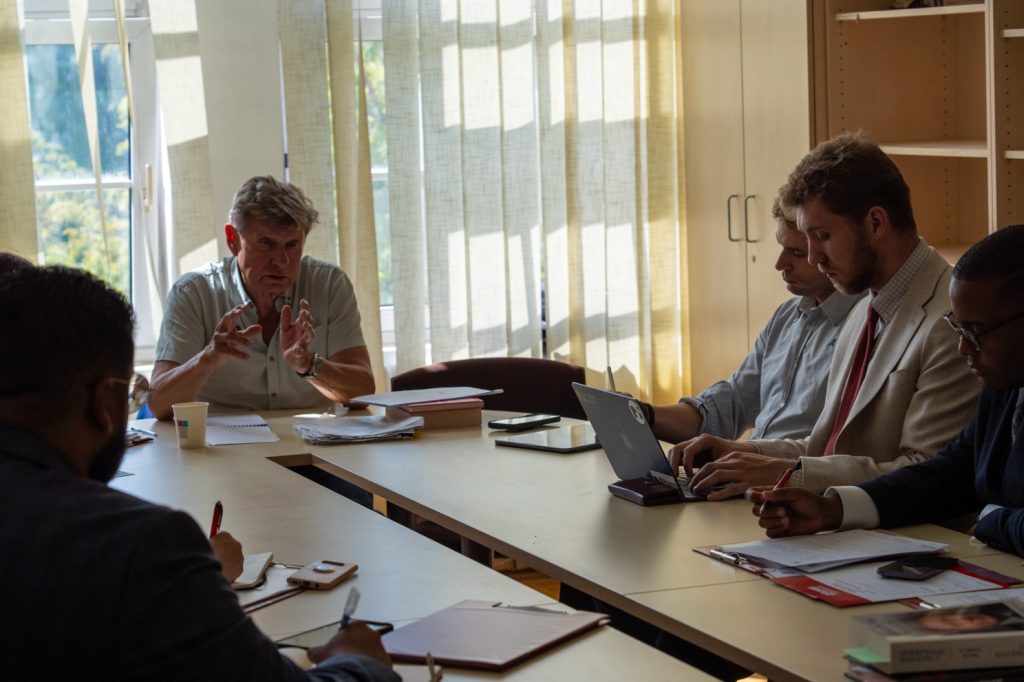
This was not just an intellectual journey, it was an emotional one.
We saw the pain, the hope, and the struggle in the eyes of those who lived through that time.
We realized that ideas are powerful, but they need more than theory. They require courage, memory, responsibility, and the spark of passion. Only then can the ideas of liberty break through and turn horror into freedom.
This experience has reaffirmed and inspired me. I don’t want to just believe in the ideas of liberty, I want to live them, share them, and help use them to make the world a better place.
I am deeply grateful to Jan Grzymski , founder and visionary behind the program, for his leadership and commitment, to Rasheed J. Griffith , Joshua Phillip Walcott , and the team at the Mercatus Center at George Mason University for making this possible, and above all, to every participant who made this experience unforgettable.